Water-Wise Landscaping: Designing a Beautiful Yet Drought-Resistant Yard Jun 13, 2026
To embark on the journey of creating a water-wise landscape, start by understanding the concept of xeriscaping. Originally developed in the 1980s, xeriscaping focuses on sustainable landscapes through a combination of careful plant selection and strategic design to minimize water usage. The ideals of xeriscaping are not only beneficial during drought periods but also contribute to lower water bills and reduced maintenance.
The first step in designing a drought-resistant yard is to assess your site conditions. Understanding the climate, soil type, and exposure to sun and shade will help you make informed plant choices. Native plants are often the best choice as they have naturally adapted to your local conditions, requiring less water and nurturing once established.
When planning your layout, consider grouping plants with similar water needs together. This approach, known as hydrozoning, ensures that you can focus your irrigation efforts where they are needed most, avoiding waste. Drip irrigation systems are ideal for this purpose, as they deliver water directly to the root zone of each plant, minimizing evaporation and runoff.
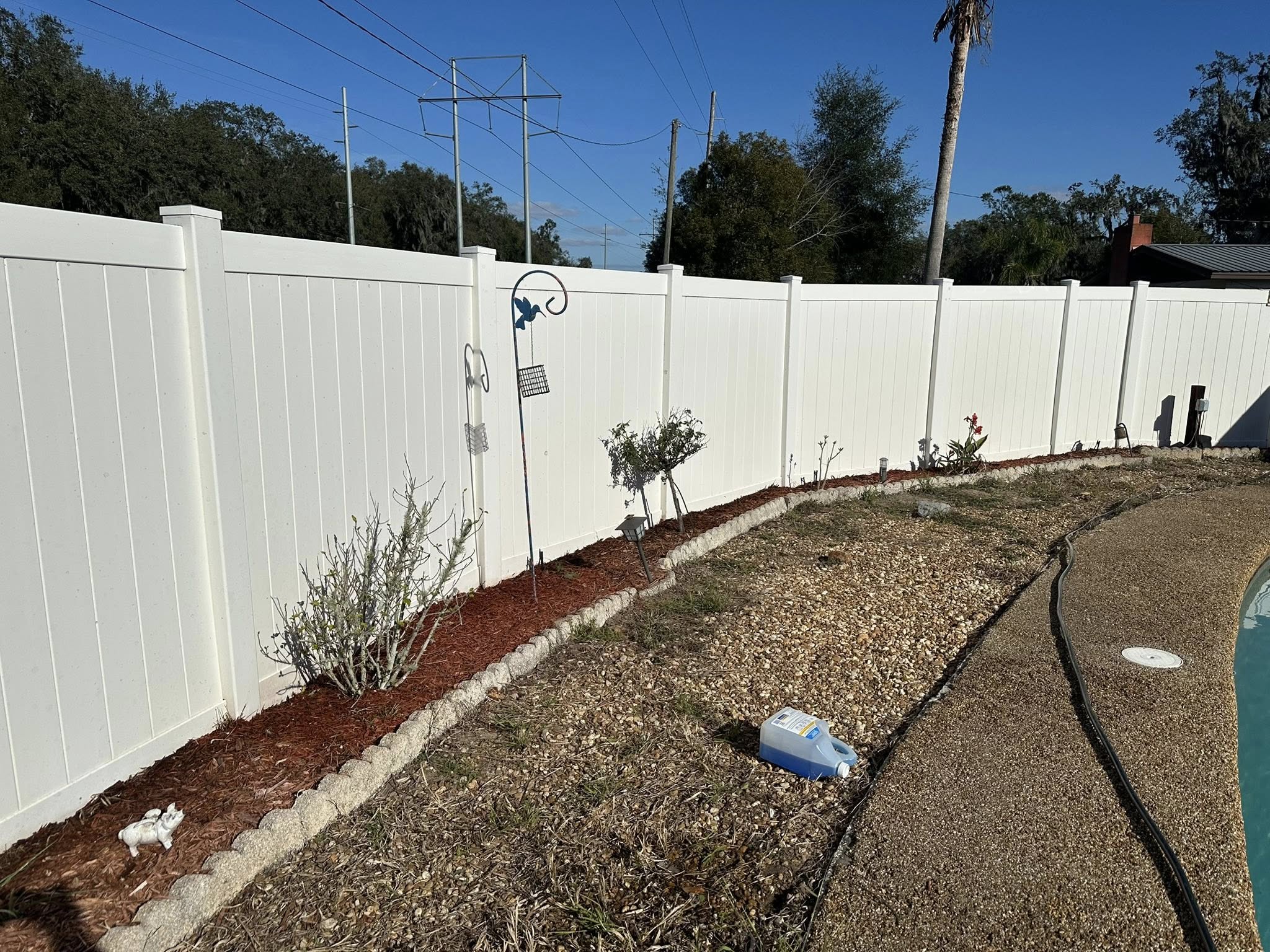
One of the most straightforward ways to achieve a drought-resistant yard is through the use of hardscaping. Hardscaping elements like stone pathways, patios, and rock gardens not only reduce the area you need to water but also add an appealing structure and dimension to your yard. Mulching is another simple yet effective technique; it retains soil moisture, reduces evaporation, and suppresses weeds, which compete with your plants for water.
Incorporating drought-tolerant plants is key to a water-wise landscape. Succulents, for instance, are renowned for their ability to store water and thrive in dry conditions. Other plants, such as lavender, yarrow, and ornamental grasses, are not only attractive but also resilient to drought. These plants provide beauty with their colorful blooms and varying textures without excessive watering requirements.
Consider adding rain barrels to your irrigation setup. Collecting and reusing rainwater is an eco-friendly way to keep plants hydrated without relying heavily on municipal water supplies. Similarly, installing permeable pavements allows rainwater to seep into the ground, naturally replenishing the groundwater supply.
While designing a drought-resistant yard might seem daunting, the payoff is significant. A thoughtfully crafted landscape conserves water, reduces maintenance, and enhances property value, all while contributing to the well-being of your local environment. At The Yardman, our experts are ready to guide you through every step of this rewarding process, helping you achieve a stunning, sustainable yard that thrives even in the driest conditions.
In conclusion, water-wise landscaping is not just a trend but a necessity, especially in drought-prone areas. Implementing techniques like xeriscaping, hydrozoning, and hardscaping will minimize water use and maximize the beauty and vitality of your outdoor space. With careful planning and expert advice, you can create a landscape that is both aesthetically pleasing and environmentally responsible. Turn your yard into a masterpiece that withstands the tests of nature with The Yardman's professional landscaping and hardscaping services.
/filters:no_upscale()/filters:format(webp)/media/955c38e1-a6c5-4395-8b13-7e41382dbc64.jpeg)